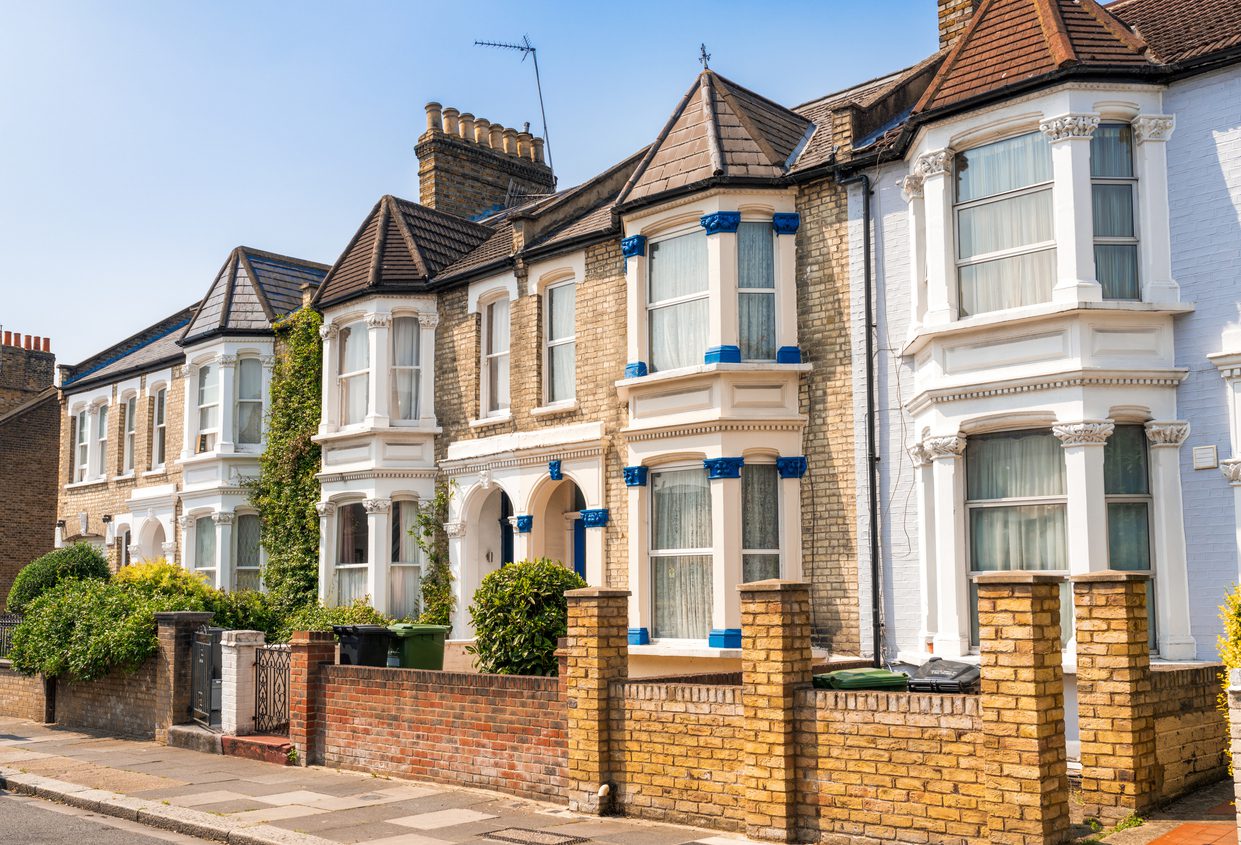
Many older homes in North London struggle to stay warm, especially during colder months. If your property cools down quickly after the heating switches off, heat loss often sits at the root of the problem. Understanding why this happens helps you take practical steps to improve comfort, protect your heating system, and reduce unnecessary strain on your home.
Older building design affects heat retention
Homes built several decades ago follow very different construction standards compared to modern properties. Walls often lack cavity insulation, loft spaces remain under-insulated, and single-glazed windows allow heat to escape at a steady rate. These design features allow warm air to leave the building while cold air enters, which forces heating systems to work harder to maintain a stable indoor temperature.
In many North London properties, extensions and alterations over time also create weak points where insulation coverage remains inconsistent. Heat escapes fastest through these gaps.
Ageing heating systems lose efficiency
Older homes often rely on ageing boilers and pipework. Over time, internal components degrade, sludge builds up, and circulation efficiency drops. As a result, radiators struggle to distribute heat evenly throughout the property. Some rooms feel warm while others remain cold, even with the heating running.
Without intervention, this imbalance places extra pressure on the boiler and reduces overall system performance. Regular assessment helps identify underlying issues before larger failures occur.

Poor insulation increases heat loss
Insulation plays a critical role in heat retention. Older properties frequently feature thin loft insulation or none at all. Wall insulation often remains incomplete or outdated. Floors above unheated spaces also allow heat transfer away from living areas.
Heat loss through these surfaces increases running time for central heating systems. Longer operating cycles raise energy use and place added strain on system components.
Draughts undermine indoor comfort
Draughts contribute significantly to heat loss in older homes. Gaps around doors, windows, skirting boards, and floorboards allow cold air to enter continuously. Even small openings create airflow that cools rooms quickly.
Draughts often go unnoticed until temperatures drop. Sealing these gaps improves comfort and reduces demand on heating systems across the property.
Pipework and radiator issues reduce output
In older heating systems, pipework layout and radiator sizing often reflect outdated standards. Narrow pipes restrict flow, while undersized radiators struggle to heat larger rooms. Internal debris within pipes also reduces circulation efficiency.
Power flushing clears sludge and restores proper flow, which improves heat distribution and protects boiler components from unnecessary wear. Local heating engineers will be able to provide advice which allows you to make informed decisions.

What you can do to reduce heat loss
Addressing heat loss starts with a full assessment of the property. Insulation upgrades in lofts and walls provide immediate benefits. Draught sealing around doors and windows improves indoor stability. Heating system servicing restores efficiency and identifies circulation issues early.
Radiator balancing and pipework checks help deliver consistent heat throughout the home. These steps work together to stabilise temperatures and support reliable system operation.
Heating maintenance supports long-term performance
Regular servicing keeps heating systems operating at optimal performance. Engineers inspect components, check pressure levels, and confirm safe operation across the system. Maintenance also identifies minor faults before they develop into disruptive breakdowns.
For older homes, scheduled care plays a key role in extending system lifespan and maintaining comfort during peak heating demand.
Final thoughts
Older homes lose heat faster due to construction methods, ageing systems, and insulation gaps. These factors place added pressure on heating systems and reduce indoor comfort. Targeted improvements and routine maintenance help stabilise temperatures and support efficient operation.
Understanding how heat loss occurs allows you to take informed action and protect your property during colder months.