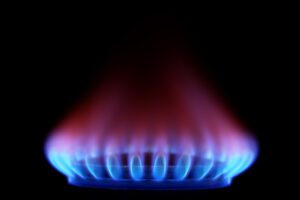
When considering the security and well-being of your household and its inhabitants, understanding and preparing for various emergencies, like gas leaks, is crucial. Gas leaks are not just minor issues but serious concerns that could escalate into hazardous situations. We aim to inform you thoroughly about the severity of gas leaks and provide you with the necessary knowledge and tools to ensure your home’s and its occupants’ safety. You will learn effective strategies and preventive measures to mitigate the dangers associated with gas leaks, helping to create a safer, more peaceful environment in your home.
Understanding The Risks
Understanding the risks of gas leaks is pivotal in safeguarding your home and its inhabitants. These leaks typically involve natural gas or propane, ubiquitous household fuels utilised for heating, cooking, and powering various appliances. While these gases are generally considered safe when handled properly, it is imperative to recognise that they carry inherent dangers that must not be underestimated. Foremost among these perils is the potential for gas leaks to lead to fire hazards. A mere spark or an open flame near a gas leak can set off a catastrophic chain of events, resulting in explosions or fires that endanger lives and property. This grave risk underscores the importance of early detection and preventative measures in effectively managing gas leaks.
Furthermore, even minimal exposure to gas fumes can have adverse health consequences. Inhalation of these fumes, even in small amounts, can precipitate symptoms, including dizziness, nausea, and persistent headaches. Prolonged and unaddressed exposure to gas fumes carries the ominous risk of precipitating severe health problems, making the timely identification and mitigation of gas leaks a paramount concern for homeowners. Beyond the immediate threats posed by gas leaks, there is a broader concern regarding their environmental impact. These leaks contribute to the emission of greenhouse gases, which have deleterious effects on the environment and contribute to climate change. Our collective duty is to minimise such emissions and protect the environment for current and future generations.

Detecting Gas Leaks
Detecting gas leaks early on is crucial to prevent potentially hazardous situations, and various methods are available to achieve this goal. One highly effective approach is the installation of gas detectors, specialised devices designed to sense the presence of gas in the air. These detectors serve as vigilant sentinels, promptly alerting you when a gas leak is detected. Even better, they are affordable and remarkably easy to set up, making them an invaluable addition to your home’s safety measures.
Furthermore, recognising the distinctive smell of gas is a fundamental aspect of early detection. Although natural gas is odourless, gas companies intentionally add a “rotten egg” odour to it, making it easily detectable even in small quantities. If you hear this unmistakable odour, it is a clear and immediate sign of a gas leak. In such cases, swift action is imperative – evacuate the premises immediately and seek professional assistance without delay.
Another method of detection involves your sense of hearing. Gas leaks sometimes produce hissing or whistling sounds near gas pipes or appliances. If you happen to hear any of these unusual noises, it should serve as a red flag, prompting you to conduct a thorough investigation to identify the source of the sound. This auditory awareness can be instrumental in catching gas leaks in their early stages, allowing you to take precautionary measures before they escalate into more serious hazards. By employing these multiple detection methods, you can enhance your home’s safety and provide peace of mind for yourself and your loved ones.
Preventing Gas Leaks
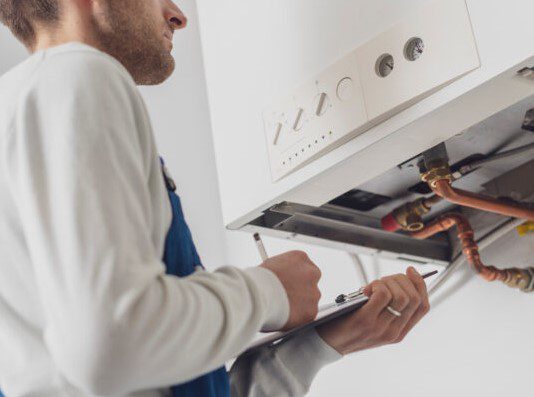
Preventing gas leaks is always the preferred course of action regarding home safety. You can take several steps to minimise the risk of gas leaks in your home. First and foremost, schedule routine maintenance for your gas appliances, including furnaces, water heaters, and stoves. Professional inspections can identify and address potential issues before they escalate into leaks. Additionally, ensure qualified technicians correctly install gas appliances, as DIY installations can lead to leaks and safety hazards. Regularly getting your boiler serviced will help keep your boiler healthy and prevent any leaks from the boiler. It’s crucial to follow the manufacturer’s instructions for gas appliances, refrain from using ovens or stoves to heat your home, and never leave them unattended while in use. Lastly, proper ventilation of areas containing gas appliances is essential to prevent the buildup of gas fumes, contributing to a safer living environment.
Contact Us Today
Gas leak detection and prevention are pivotal in enhancing home safety. Understanding the risks, investing in gas detectors, recognising warning signs, and practicing proper maintenance and usage of gas appliances are essential steps to safeguard your home and loved ones from gas leaks. By taking these precautions, you can enjoy the comfort of gas-powered appliances while ensuring peace of mind regarding safety. Contact Squires and Duran Plumbing & Heating today!!