If your lower radiators are cold but the upstairs radiators are heating up, it usually means hot water is not circulating evenly around your central heating system. This can happen for several reasons, from simple radiator balancing issues to trapped air, low boiler pressure, sludge build-up or a problem with the heating pump.
It is a common issue in homes with older pipework, extended heating systems or radiators that have been added over time. While the problem may seem small at first, cold lower radiators can leave parts of your home uncomfortable and may also be a sign that your heating system is working harder than it should.
Your Heating System May Need Balancing
One of the most common reasons for downstairs radiators staying cold is that the heating system is not balanced properly. When a system is unbalanced, some radiators receive more hot water than others. Often, the radiators closest to the boiler heat up quickly while those further away struggle to get enough flow.
Balancing the system helps control how much hot water passes through each radiator, so heat is distributed more evenly around the home. If upstairs rooms become warm quickly but downstairs rooms remain cold, radiator balancing may be one of the first things to consider.
The Boiler Pressure Could Be Too Low
Low boiler pressure can also affect how well hot water moves around your heating system. If the pressure is too low, the boiler may not be able to circulate water effectively through every radiator, especially those further away or on a different part of the system.
You can usually check this on the pressure gauge or digital display on the boiler. Many boilers sit around 1 to 1.5 bar when cold, but you should always check the manufacturer’s guidance for your specific model. Regular boiler servicing will ensure your boilers are always performing at peak efficiency.
There May Be Air Trapped in the System
Trapped air can stop radiators from heating properly. This is often more noticeable when radiators are cold at the top, but air in the wider system can also contribute to uneven heating and poor circulation.
You may hear gurgling sounds, notice radiators heating slowly, or find that some rooms never reach the right temperature. Bleeding the radiators may help release trapped air, but if the problem keeps coming back, it is worth getting the system checked to find out why air is entering or staying in the system.
Sludge or Debris Could Be Blocking the Flow
Over time, central heating systems can collect sludge, rust and debris. This can restrict the flow of hot water and make it harder for some radiators to heat properly. In older homes, or systems that have not been cleaned for a long time, sludge can be a major cause of uneven heating.
If the lower part of a radiator is cold while the top is warm, sludge inside that radiator is a likely cause. If several downstairs radiators are cold, there may be a wider circulation issue caused by dirty water in the system. In some cases, a power flush or system clean may be needed to restore proper flow.
The Pump May Not Be Circulating Water Properly
Your heating pump helps move hot water from the boiler around your radiators. If the pump is weak, faulty or incorrectly set, hot water may not travel through the whole system as it should. This can leave some radiators warm and others cold.
A pump issue can be harder to spot without professional testing. Signs can include uneven heating, radiators that take a long time to warm up, strange noises near the boiler or airing cupboard, or heating that works in some areas but not others.

Radiator Valves Could Be Stuck or Closed
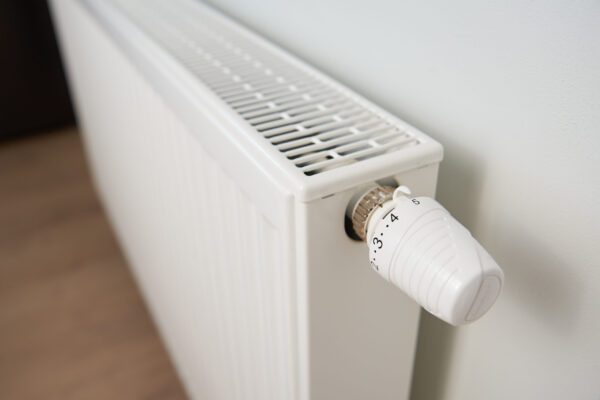
Sometimes the cause is much simpler: the radiator valves may be closed, partially closed or stuck. Thermostatic radiator valves, often called TRVs, can sometimes stick after long periods without use, especially when heating is turned back on after summer.
Check that the radiator valves are open and that the TRV is not set too low. If the valve pin is stuck, it may stop hot water from entering the radiator properly. It is best to be gentle with radiator valves, as forcing them can cause leaks or damage.
Pipework Layout Can Affect Heat Distribution
In some properties, the way the heating pipework has been installed can make certain radiators harder to heat. This is especially common where homes have been extended, converted or altered over time. Extra radiators may have been added to a system that was not originally designed for them.
North London has many older homes, flats and converted properties where heating systems have evolved in stages. If your lower radiators have always struggled, rather than suddenly becoming cold, the system layout or radiator sizing may need to be reviewed.
What Can You Check Yourself?
Before calling a qualified heating engineer, there are a few simple checks you can make. Check that your boiler is switched on correctly, your thermostat is calling for heat, and your radiator valves are open. You can also look at the boiler pressure and see whether any radiators need bleeding.
It is also useful to notice the pattern. Are all downstairs radiators cold, or just one? Are the upstairs radiators very hot? Did the issue start after work was carried out on the heating system? These details can help identify whether the problem is likely to be balancing, pressure, trapped air, sludge or a faulty component.

When Should You Call a Heating Engineer?
You should call a heating engineer if your lower radiators stay cold after basic checks, if the boiler pressure keeps dropping, if only part of the house heats properly, or if the system makes unusual noises. You should also get help if you suspect sludge, pump problems or a fault inside the boiler.
Do not remove the boiler casing or try to repair internal boiler components yourself. Heating systems can be complex, and boiler work should always be handled by a trained boiler repair specialist. A proper inspection can save time, prevent unnecessary part replacements and help avoid bigger problems later.
Get Uneven Heating Checked in North London
If your lower radiators are cold, it is usually a sign that your heating system needs attention. The cause may be simple, but it is worth getting it checked if the problem keeps happening or affects several radiators.
At Squires & Duran Plumbing & Heating, we help homeowners, landlords and businesses across North London with radiator problems, boiler issues and central heating repairs. If your downstairs radiators are not heating properly, our experienced heating engineers can inspect the system, find the cause and recommend the right fix.