Squires and Duran provides power flushing in North London, a professional cleaning process that removes unwanted deposits from suitable central heating systems. Specialist equipment circulates water and cleaning products through the heating circuit to dislodge and remove contamination. It may help where deposits are affecting circulation, but it is not a universal cure for cold radiators, noise or every heating fault.
What Does Power Flushing Do?
Heating systems can accumulate corrosion debris and other deposits. These can interfere with circulation and contribute to uneven radiator performance. Cleaning aims to remove contamination rather than simply release trapped air.
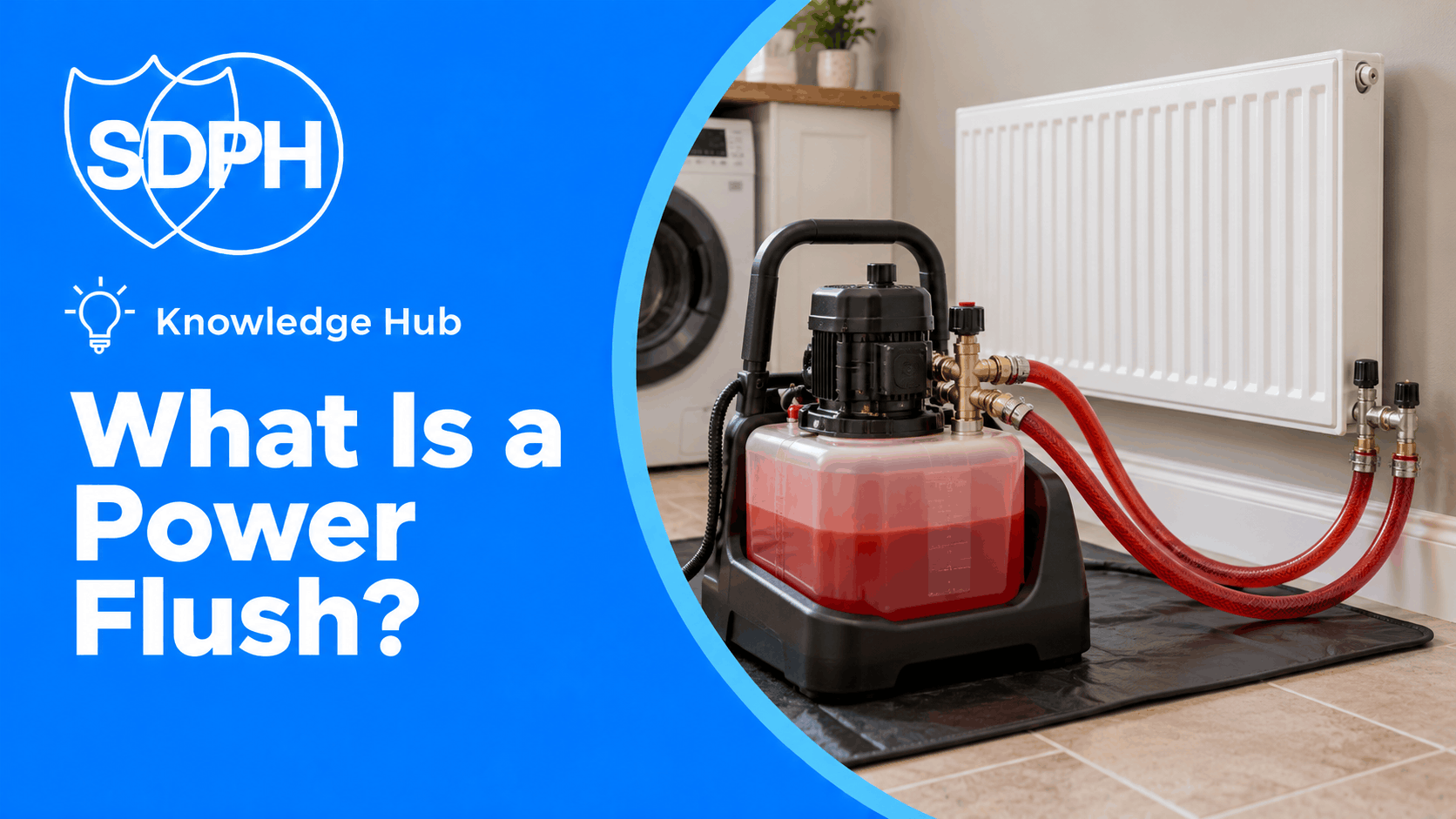
Power-flushing equipment creates a high-flow cleaning action throughout the system. Describing the process solely as blasting pipes at extreme pressure is misleading and fails to explain how suitable equipment is used.
Squires and Duran assess the condition and configuration of a North London system before recommending appropriate work.
Which Symptoms May Justify Investigation?
Uneven heating, persistent circulation problems, and discoloured system water may make contamination a concern. However, similar symptoms can have different causes.
A radiator with a cold top might contain air. A faulty valve, a control problem, or a pump fault can also affect heating, even without system cleaning being the answer. Replacing a boiler does not remove the need to assess the condition of the existing circuit.
Squires and Duran can discuss power flushing enquiries in North London. The starting point should be the symptoms and system findings, not an assumption that a cleaning package suits every property.
What Happens During Professional Cleaning?
The engineer first needs to determine whether the proposed method is suitable for the installation. Relevant considerations include the layout, radiator condition, accessible connections and any existing leaks or vulnerable components.
The cleaning process involves connecting specialist equipment, circulating the appropriate cleaner and working through the relevant parts of the circuit. Contaminated water is removed, and the system is rinsed and checked as appropriate.
Squires and Duran treat power flushing as professional system work. It is not a household task involving pouring general-purpose chemicals into a boiler. Product choice, disposal, protection of components and the condition of the installation all need appropriate consideration.
Is Power Flushing Always The Right Option?
No. The degree of contamination and the manufacturer’s requirements can influence the cleaning approach. Another flushing method or a different repair may be more suitable.
An older system with corrosion or weakened components needs particular care. Cleaning cannot restore metal already lost through corrosion, repair a leaking radiator or guarantee that a weak part will remain sound.
Squires and Duran can explain the proposed approach for a North London property after assessment. There is no sensible universal rule that every heating system requires a power flush at a fixed interval, regardless of condition or maintenance history.
What Happens After The Cleaning?
The system needs the appropriate finishing checks and water treatment in line with the installation and product guidance. That may include corrosion protection and, where suitable, consideration of filtration.
Good aftercare does not guarantee that contamination or faults will never recur. Leaks, poor maintenance and other system issues still need attention.
When comparing quotations, ask what assessment, cleaning, water treatment and follow-up checks are included. Tell the engineer about known leaks and previous cleaning work, and keep any available installation records. This helps put the proposed treatment into the context of your existing system.
Frequently Asked Questions
Is power flushing the same as bleeding radiators?
No. Bleeding releases trapped air from a radiator. Power flushing is a cleaning process intended to remove contamination from the heating circuit. One cannot automatically replace the other.
Does every new boiler need the same cleaning method?
No. The existing system condition and the appliance manufacturer’s requirements influence the appropriate cleaning and preparation. The important point is suitable treatment, not choosing a method solely because of its name.
Can cleaning repair a damaged radiator?
No. Removing deposits does not repair corrosion damage, a failed valve or a leaking connection. Where components need repair or replacement, that work needs to be considered separately from cleaning the circuit.
Power Flushing Advice in North London
Contact Squires and Duran if your heating is uneven or you have been advised to consider system cleaning. Tell us which radiators are affected and whether there have been recent repairs or a boiler replacement. We can discuss the assessment needed for your North London system and whether power flushing is an appropriate next step.