A sudden bang behind a wall or repeated knocking when the heating comes on can be unsettling. Noisy pipes do not always signal a serious fault, but identifying the trigger can help explain the cause. Squires and Duran helps North London homeowners investigate these problems, from changes in water flow to heating pipes expanding as they warm up.
Does The Bang Happen When Water Stops?
A sudden stop in flowing water can produce a pressure surge, often called water hammer. You may notice a bang when a tap closes, or an appliance valve shuts. The vibration can travel through pipework, making its source difficult to locate by sound alone.
Poorly supported pipes may move, making the noise more noticeable. However, securing a visible section does not necessarily resolve the underlying cause of a pressure surge.
Tell Squires and Duran which outlet or appliance triggers the noise in your North London home. Mention whether it happens every time, began after recent work or affects several fixtures.
Does It Happen As Heating Warms Up?
Heating pipes expand as they become hot and contract as they cool. Movement against surrounding materials can create ticking, tapping or knocking. This differs from a sudden bang associated with stopping mains water flow.
The route of the pipe, its supports and any contact with flooring may be relevant. Some movement sounds are minor, but persistent or worsening noise deserves assessment, particularly when accompanied by leaks or poor heating.
Squires and Duran can discuss heating problems in North London without treating every sound as evidence of the same fault.
Could Valves Or Water Pressure Be Involved?
A vibrating valve, restricted flow or unsuitable operating conditions can contribute to noise. An engineer may need to assess the relevant fixture, pipe supports and supply arrangements together.
Water pressure and water flow are related but different measurements. A noisy installation does not prove that the entire property has excessive pressure. Installing a device solely because it is advertised as a water hammer cure may overlook another defect.
Do not turn an unfamiliar pressure control or dismantle a valve to experiment. Squires and Duran can consider the symptoms as part of plumbing repair enquiries in North London and explain which investigations are appropriate.
What Observations Can You Make Safely?
A few safe observations can help an engineer investigate noisy pipework. Focus on when and where the sound occurs without disturbing pipes or opening up the building.
- Note when the noise happens and where it sounds loudest.
- Record whether taps, toilets or appliances are operating at the time.
- Make a short recording from a safe location if the sound is intermittent.
- Check visible, accessible pipework for movement or leaks without touching or pulling on it.
- Avoid lifting flooring, cutting into walls or reaching near hot surfaces to trace the noise.
If the sound seems to come from the appliance itself, our guide to a banging boiler explains why professional diagnosis matters. Sound can travel through pipes and surrounding materials, so the loudest point may not be its source.
Why Should The Repair Match The Cause?
The appropriate response may involve supporting pipework, addressing a faulty valve or investigating supply conditions. Heating movement may need a different approach from water hammer. There is no single adjustment that suits every property.
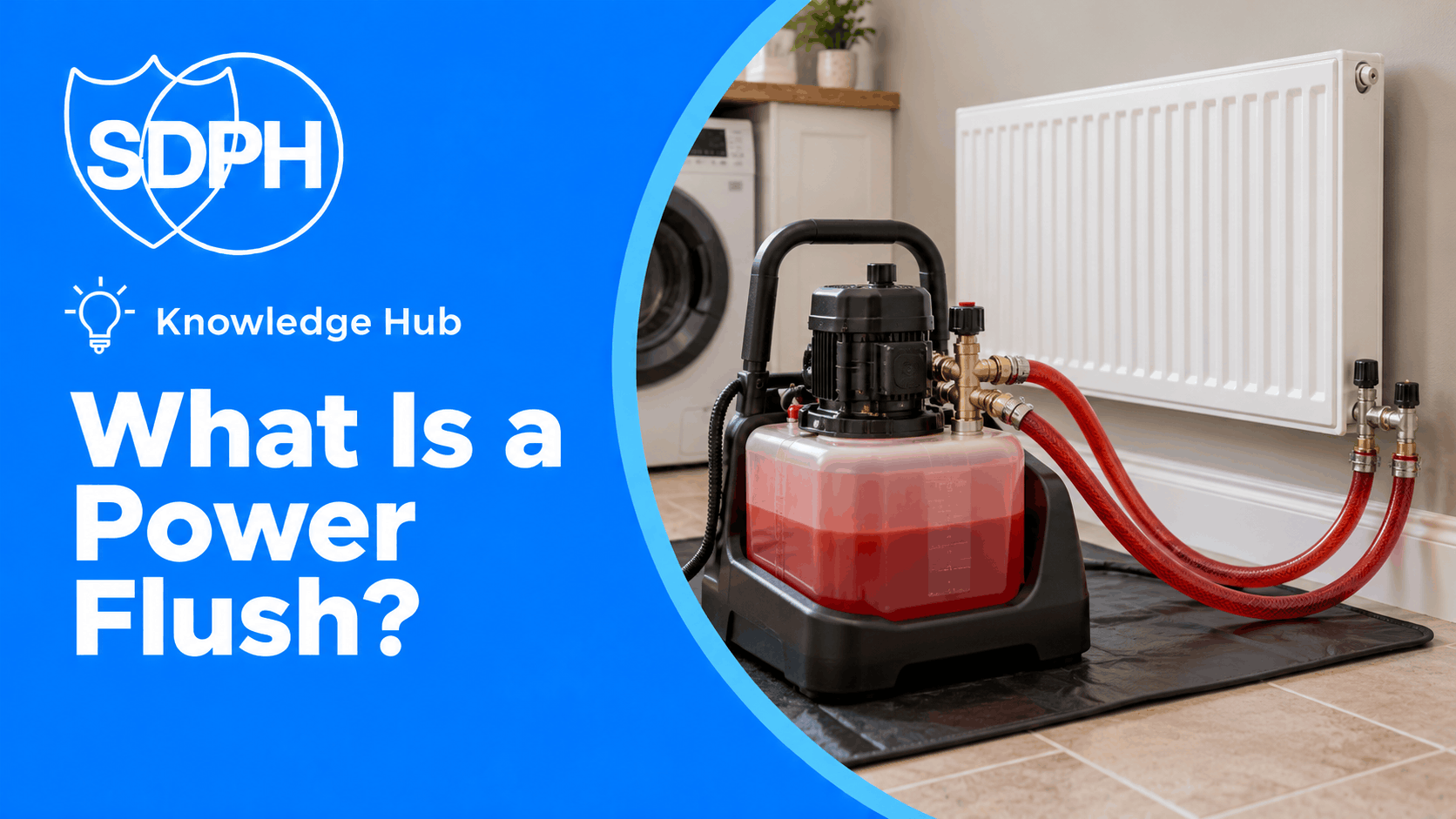
Squires and Duran recommend assessment before assuming that system cleaning or boiler replacement is necessary. A power flush is intended to address suitable contamination problems; it cannot correct every loose pipe, sticking valve or noisy outlet.
Explain any recent changes, such as a new washing machine, replacement tap or altered heating controls. These details provide context without proving that the new item is defective or that recent work caused the problem.
When Should You Seek Prompt Help?
Arrange attention if banging accompanies an active leak, marked pipe movement, repeated appliance faults or a sudden change in performance. Isolate escaping water if you can do so safely.
Keep away from water affecting electrical equipment. If the concern involves a gas smell or suspected carbon monoxide, leave the affected area and call the National Gas Emergency Service on 0800 111 999 from a safe place.
Frequently asked questions
Is every bang water hammer?
No. Heating expansion, valves and other faults can create different noises. The trigger and location help guide assessment.
Should I bleed all the radiators?
Only if trapped air is relevant and the user guidance allows it. Bleeding does not automatically resolve noise issues in the tap water supply.
Can the sound travel between rooms?
Yes. Pipework and surrounding structures can transmit vibration. The loudest point may be some distance from the source.
Pipework Advice in North London
Contact Squires and Duran with the trigger, location and any accompanying symptoms. We can discuss the appropriate investigation for noisy pipework in your North London property.